Records
All records →Archival lists and documents transcribed, translated and indexed by the Project. Each collection can be searched by name, with Daitch–Mokotoff Soundex and Beider–Morse phonetic matching.
Mission
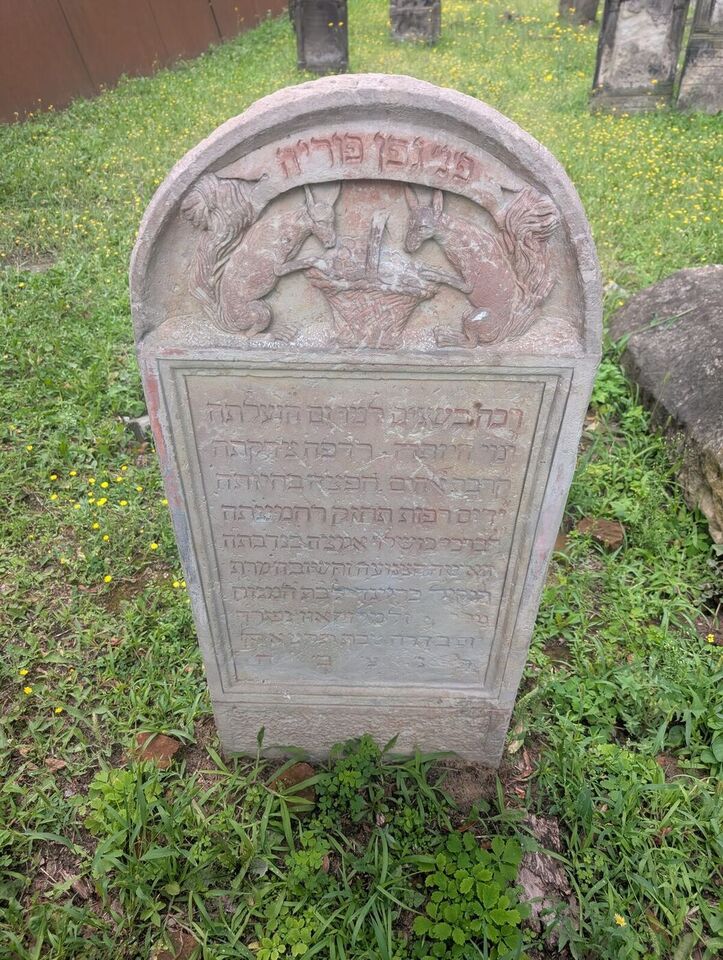
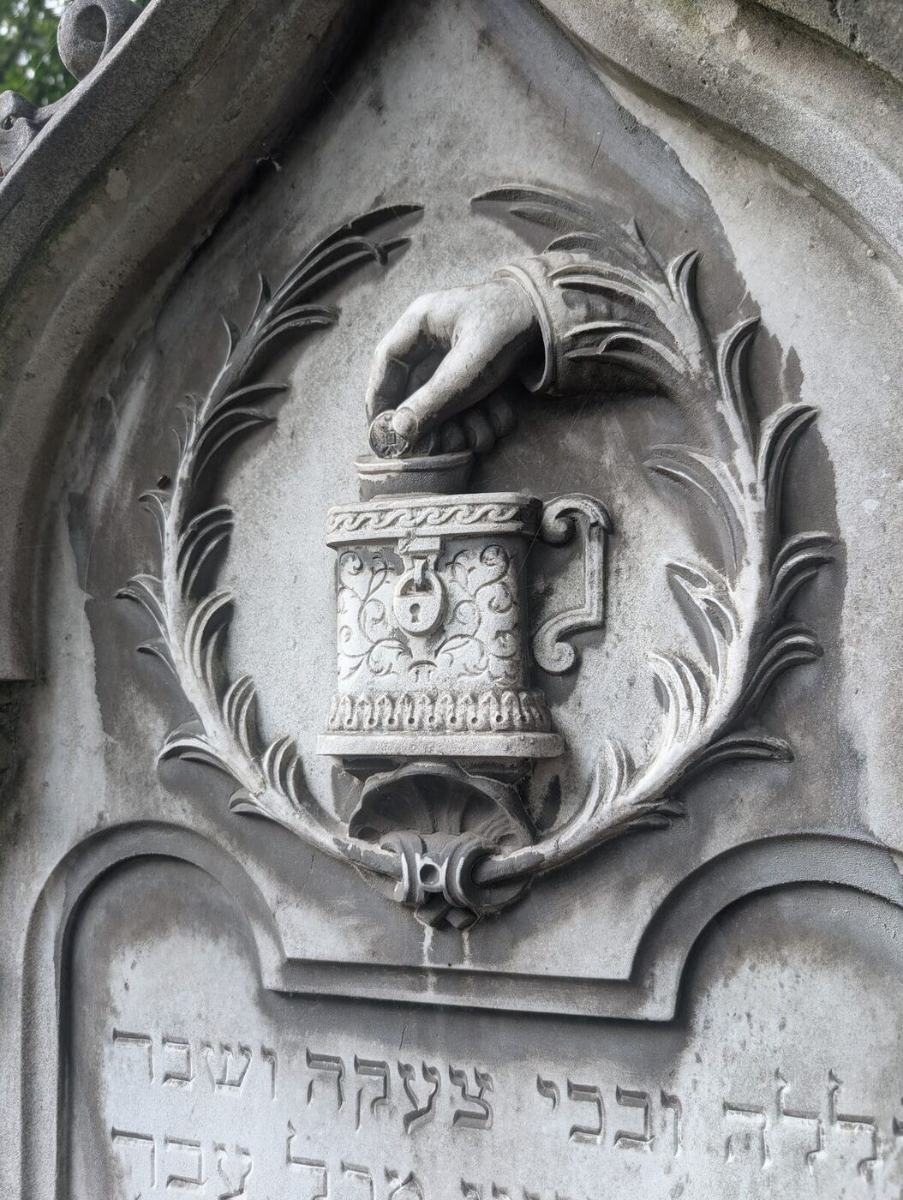
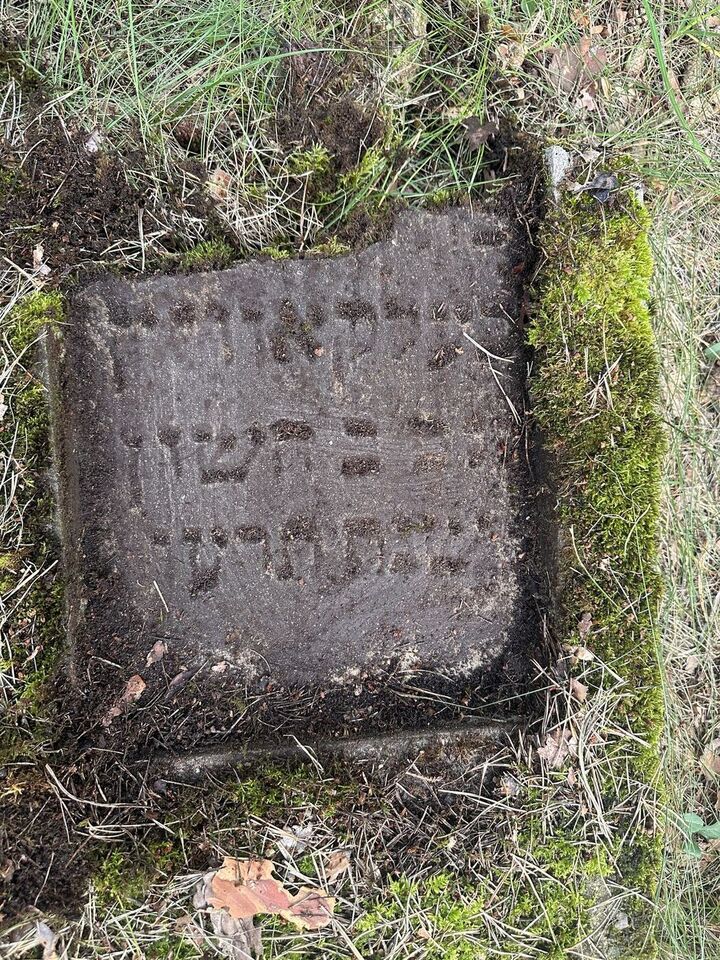
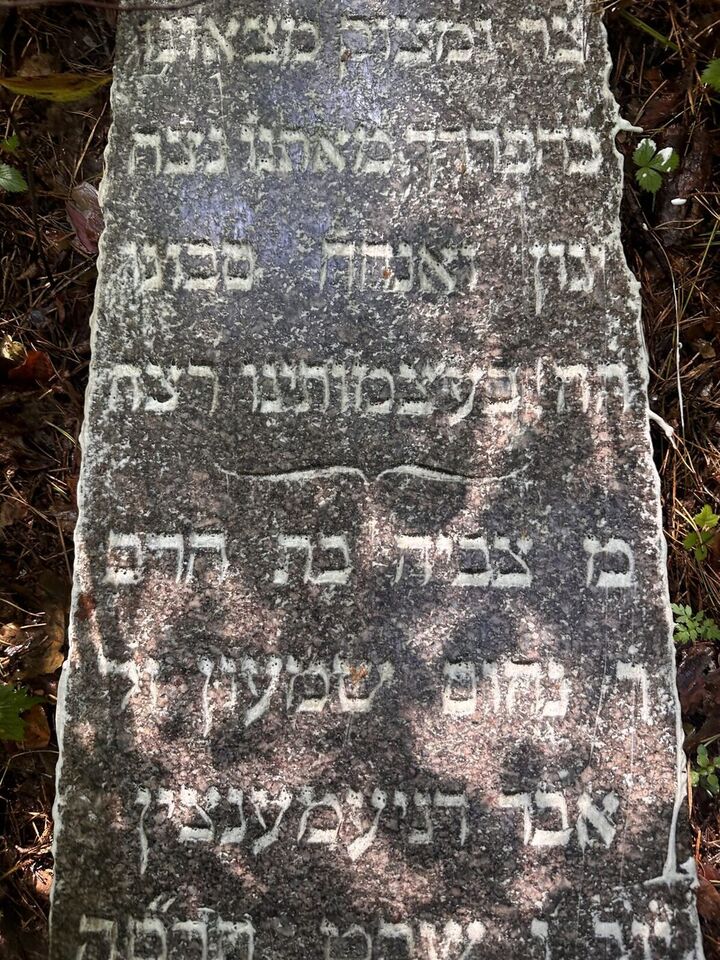
A vast, free, and searchable digital cemetery for the world's lost and forgotten graves, primarily of victims of war and genocide, with a special focus on the Holocaust.
We provide permanent online testimony, empowering descendants of war victims and displaced people to discover their ancestors' fates and reclaim broken hereditary lines. Since March 2024, the Project has transformed over 200,000 lost graves into memorials, offering families closure and a profound sense of tikkun olam: healing the world.
- Restore dignity
- Give victims the permanent memorial they were denied.
- Reunite families
- Connect descendants with their ancestral heritage.
- Preserve history
- Create irrefutable proof against Holocaust denial.
Method
Five steps turn scattered raw data into the only digital proof of existence for these individuals.
- {{ s.n }} {{ s.title }} {{ s.body }}
About this collection
A name list of 700 families and individuals who emigrated to America through the port of Galveston, with their place of residence and place of registration. Registration (pripiska) is the community where a person was legally registered, often the ancestral town, and is useful for finding Russian Empire vital and revision records. Transliterations and modern place names should be verified before entering them into a tree.
A Soviet-era compilation for the Extraordinary State Commission archive (“Архів Комісії, фонд № 4”). The scan holds 10 distinct typed excerpts (A–J); many leaves are carbon copies of the same excerpt. The archive's own title translates as: “Collection of documents on the history of the Great Patriotic War. Excerpts from the newspaper ‘Partisan Pravda’ on the mass extermination of the population of Ukraine by the German-fascist occupiers; lists of German-fascist occupiers and their accomplices who committed crimes in the temporarily occupied territory of the Ukrainian SSR. 1941–1943. 28 folios.”
Only excerpt I (pp. 26–31) concerns Jews directly. It covers the deportation of foreign Jews from Hungary and Czechoslovakia and their murder at Kamianets-Podilskyi on 27 August 1941. The rest is about Ukrainian and Belarusian villages in the Zhytomyr–Polesie partisan zone. The text was read by OCR and checked against the page images for every name and number; uncertain readings are marked (?).
A file titled “Forms for registering Jewish working people, and cards, Moldavia (1928–1929)”. It holds Komzet family registration forms, resettlement certificates, summary cards for resettlement societies such as “Nai Lebn” (New Life), “Vozrozhdenie” (Revival) and “Ob'edinennyi Trud” (United Labour), Agro-Joint dispatch lists, and a consolidated register of settlers from Balta, Dubossary, Tiraspol and other towns, most of them assigned to the Kherson region.
The file is indexed three ways: the settler register (one row per household head, with town, occupation and number of souls), the family members named on the family forms, and a guide to the documents. Readings marked (?) are uncertain.
A 1929 file titled “Анкети для обстеження єврейських сільськогосподарських колективів” (Questionnaires for the survey of Jewish agricultural collectives). Each questionnaire describes one artel or land-cultivation society: where it was, when it was founded, how many members and dependents (“eaters”) it had, and who signed for it.
The file is indexed two ways: the people named in the questionnaires, mostly chairmen and heads who signed them, and the collectives themselves. Readings marked (?) are uncertain.
A 1932 folder titled “Облік євр. секторів по районах” (Registration of Jewish sectors by district). Under Ukrkomzet circular No. 186, district education departments and OZET branches reported their seven-year schools and the number of Jewish pupils finishing in 1932, for allocation to FZU (factory apprentice) schools.
Each entry is one page or one school on a page: school forms, replies, letters and circulars from districts across Vinnytsia, Kyiv, Chernihiv, Odesa, Kharkiv and other regions. People named are mostly officials who signed the reports; some pupils and parents also appear. Readings marked (?) are uncertain.
| No. | Name | As written | Residence | Registration | Folio |
|---|---|---|---|---|---|
| {{ r.no }} | {{ r.surname }}, {{ r.given }} |
{{ r.cyr }} | {{ r.res }}{{ r.resC }} | {{ r.reg }}{{ r.regC }} | {{ r.folio }} |
| No. | Name | Role | Place | Date | Pages |
|---|---|---|---|---|---|
| {{ r.no }} | {{ r.name }}{{ r.cyr }} |
{{ r.role }} | {{ r.place }} | {{ r.date }} | {{ r.pages }} · {{ r.ex }} |
Hitler, Goebbels and Mussolini are mentioned only in passing and are left out. The 13 French soldiers named in the Rava-Ruska protocol are not in this file; they are in ChGK Lviv oblast file 78.
English translation
Each excerpt is translated once, from the clearest copy. The originals are in Ukrainian or Russian. Soviet wartime vocabulary (“scoundrels”, “cannibals”) is kept as written.
{{ x.id }} {{ x.subject }}{{ x.head }} {{ x.pages }}
{{ p }}
Places named ({{ tPlaceCount }})
Most are villages in today's northern Zhytomyr oblast and Belarusian Polesie. Modern names and districts are identifications from the wartime spelling, not from the document.
| {{ pl.modern }}{{ pl.typed }} · {{ pl.country }} | {{ pl.event }} | {{ pl.date }} | {{ pl.pages }} · {{ pl.ex }} |
Zhinchuk calls Nagyvárad “Southern Transylvania”; it was in Hungarian-held Northern Transylvania in 1941. The Kamianets-Podilskyi massacre is usually dated 27–28 August 1941, with a total of about 23,600 victims; this file gives only the first group of 13,000.
Five pages, folios 223–227, concerning Jewish settlers in Birobidzhan in 1929 who were getting alarming letters from relatives in Kyiv. Three of the pages are copies attached as evidence to the Komzet cover letter on f. 224. The Yiddish uses Soviet phonetic spelling; uncertain words in the faint typescript are marked. The people named are included in the People tab.
f. {{ x.folio }} {{ x.title }}{{ x.lang }}
{{ p }}
| Page | Name | Town | Occupation | Society or group |
|---|---|---|---|---|
| p. {{ r.page }} | {{ r.surname }}, {{ r.given }} |
{{ r.town }} | {{ r.occ }}{{ r.souls }} | {{ r.group }}No. {{ r.no }} |
| Page | Name | Relation | Place | Notes |
|---|---|---|---|---|
| p. {{ r.page }} | {{ r.surname }}, {{ r.given }} | {{ r.rel }}{{ r.age }} | {{ r.place }}{{ r.doc }} | {{ r.notes }} |
- p. {{ r.page }} {{ r.text }}
| Page | Name | Role | Collective | Notes |
|---|---|---|---|---|
| {{ r.name }}{{ r.cyr }} | {{ r.role }}{{ r.date }} | {{ r.coll }}{{ r.place }} |
{{ r.notes }} |
| Pages | Collective | Place | Size | Notes |
|---|---|---|---|---|
| p. {{ r.pages }} | {{ r.name }}{{ r.type }} · founded {{ r.founded }} | {{ r.settlement }}{{ r.district }} district · {{ r.okrug }} okrug | {{ r.counts }} | {{ r.notes }} |
| Page | District | School | People named | Notes |
|---|---|---|---|---|
| p. {{ r.page }}{{ r.kind }} | {{ r.district }}{{ r.region }}{{ r.date }} | {{ r.school }}{{ r.address }}{{ r.counts }} | {{ r.people }} | {{ r.notes }} |
Stories of healing
“I am truly, truly grateful to you… for helping me discover the history of my family. In particular, I want to thank you for identifying the place where Zofia Sada passed away — in Auschwitz. It turns out that… I am her great-granddaughter… Thanks to your work, I have been able to learn more about my family's story.”
“After decades of searching with no answers, I finally found where my grandfather is buried. The pain of not knowing was worse than the truth. Now I can properly mourn and honor his memory.”
“Your work has given dignity back to my ancestors who were meant to be erased from history. My children now know their heritage.”
Founder
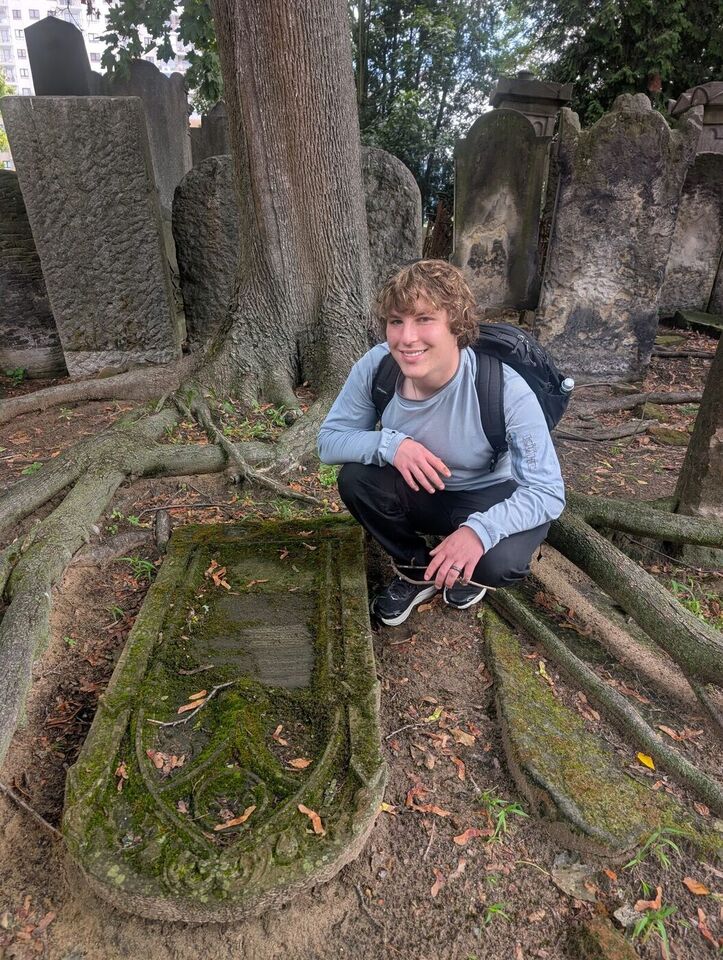
Julian Drake Silver began this project at age fifteen while researching a branch of his family lost in the Holocaust: the Corenzwits.
Through Find a Grave and a posted online memorial, he built the family tree of his great aunt and eventually connected with lost cousins in South America, the United States, and Israel. The relief of solving that mystery led him to a larger one: for millions of people, including those murdered at Auschwitz, the only remaining history lay in abandoned graveyards, with no digital memorial or record.
He began gathering data from around the world, writing custom software to scrape, translate, and organize cemetery records at scale. He now works directly with families of the deceased and with researchers, alongside international volunteers who gather additional facts and photographs.
“I started this project to ‘free’ this data, to create digital memorials for those who have none — from local cemeteries to Auschwitz — and to honor those lost souls, giving other families the same gift of closure and connection I was lucky enough to find.”
Get involved
Volunteers around the world help preserve this history and bring closure to families.
Photograph graves near you
Visit cemeteries to photograph headstones and fulfill photo requests from researchers and families worldwide.
Join Find a Grave →Share cemetery data
Have burial records, cemetery listings, or historical documentation? Your data could help families find their lost ancestors.
Contact Julian →Visit a memorial
On Find a Grave you can leave virtual flowers, connect with relatives, add family stories, and request grave photos.
Browse memorials →